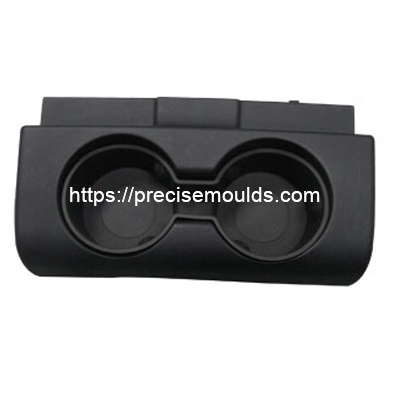
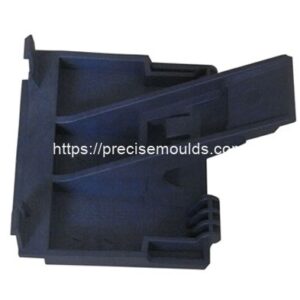
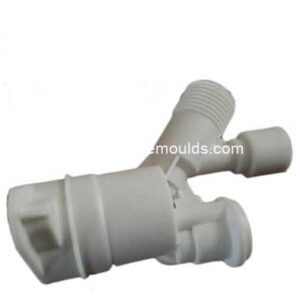
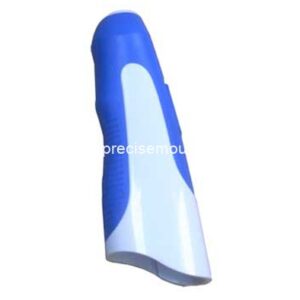
mold making for automotive part cabinet
Product description: China mold maker supplying injection mold for glass filled interior automotive molded part
| Part material: | 20% GF filled PA66 |
|---|---|
| Mold manufacturer: | China |
| Cavity/core steel: | DIN 1.2344 |
| Runner system: | Yudo hot runner |
| Cavity No: | Single cavities |
| Customer type: | Interior auto accessories injection molding company |
| Processing: | Plastic molding |
| Mold standard: | HASCO |
Mold making for automotive parts is quite different from injection molding for other plastic parts.
Mold making for automotive parts plays a crucial role in the manufacturing process of vehicles. Understanding the intricacies of this process can significantly impact the quality and performance of automotive components. This guide will delve into various aspects of mold making, including the materials utilized, the design considerations, and the technology advancements in the field. For instance, thermoplastics are often used in producing automotive parts due to their excellent durability and flexibility, which are essential for various applications including dashboard components, exterior panels, and under-the-hood parts.
Moreover, the importance of precision in mold making cannot be overstated. Automotive parts must meet stringent safety and performance standards, which necessitates the use of high-quality molds that can withstand the pressures of mass production. In this context, advanced CNC machining techniques are frequently employed to ensure that molds are crafted to exact specifications. This meticulous attention to detail not only enhances the longevity of the molds but also ensures that the final products meet or exceed industry standards.
The injection molds for automotive parts have a complicated structure such as lifters and slides.
Furthermore, the use of lifters and slides in injection molds is essential in creating complex geometries that are often required in automotive components. Lifters allow for the removal of parts with undercuts, while slides facilitate the production of features that would otherwise be difficult to achieve with standard mold designs. For example, components such as door handles or intricate internal structures of engine parts often require these specialized features to ensure proper functionality and aesthetics.
In addition to design complexity, the choice of materials for molds is another critical factor. Mold makers often select materials like hardened steel or aluminum, depending on the expected production volume and the characteristics of the parts being produced. For high-volume runs, steel molds are preferred due to their durability, while aluminum molds may be used for lower volume applications due to their cost-effectiveness and faster turnaround times.
Lastly, the integration of technology in mold making processes has advanced significantly, with the advent of 3D printing being a notable innovation. 3D printing allows for rapid prototyping of molds, enabling designers to test and refine their designs quickly. This technology not only reduces the time needed for mold production but also allows for greater innovation in mold design, as complex geometries can be created that were previously unattainable with traditional methods.
In conclusion, mold making for automotive part continues to evolve with advancements in technology and materials. Understanding the nuances of this process is vital for ensuring high-quality automotive components that meet the demands of the industry. With the right techniques and innovations, manufacturers can produce automotive parts that not only perform well but also enhance the overall safety and efficiency of vehicles.