Quality Control

Quality Control is the lifeblood of Nodinson in injection mold manufacturing and injection molding. It plays a pivotal role in ensuring that every aspect of the manufacturing process meets the highest standards.

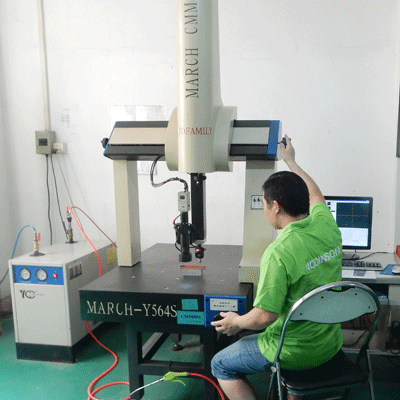
Our comprehensive quality control system encompasses every stage—from part drawing analysis to mold design, mold making, and ultimately to mold shipment and plastic parts shipment. Upon arrival, we conduct rigorous inspections of steel hardness.

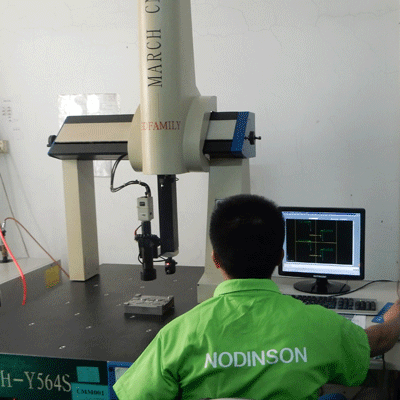
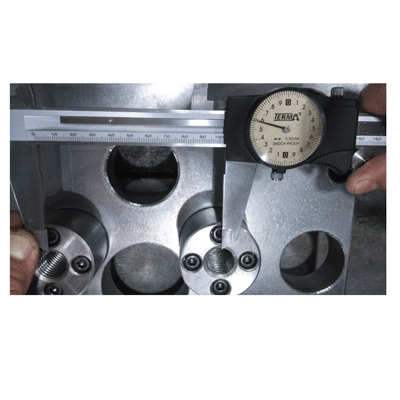
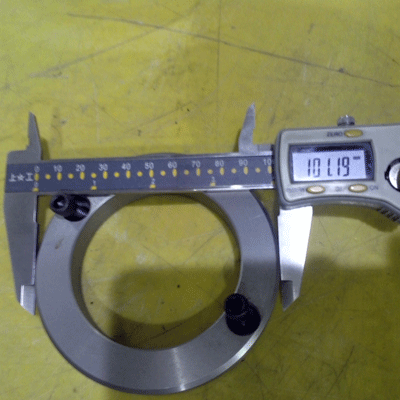
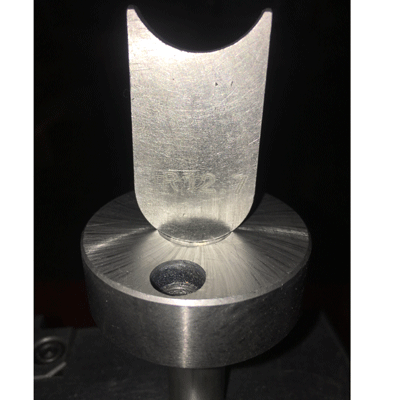
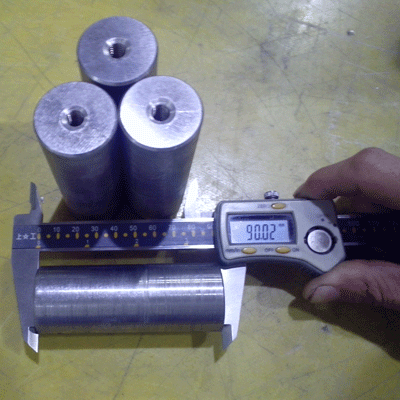
Critical components undergo strict scrutiny after machining to verify their integrity and adherence to specifications. We ensure the tolerances of critical dimensions are strictly maintained within the allowances specified by our customers.

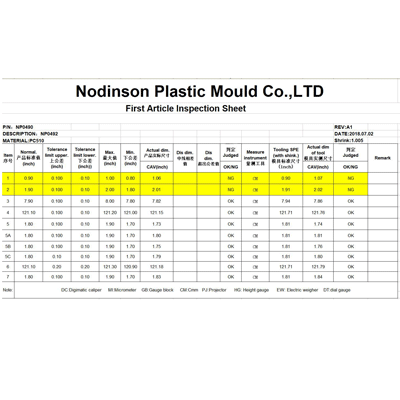
Each part is meticulously inspected and tested dimension by dimension according to customer tolerance specifications. The First Article Inspection (FAI) report is provided to the customer, detailing the results of our inspections.

Every component is carefully inspected and checked individually before being assembled for shipment. Our team fully understands the importance of quality to both our customers and ourselves, which drives our commitment to excellence in all our processes.

To illustrate the importance of our quality control measures, let’s consider the various stages of the process:

1. Part Drawing Analysis: The foundation of quality control begins with an in-depth analysis of the part drawings. This stage ensures that we understand the specifications and requirements of the project. By reviewing these drawings, we can identify potential challenges and address them early in the process.

2. Mold Design: Once the part drawings are approved, our engineers utilize advanced software to design the mold. This stage involves meticulous calculations and simulations to ensure that the mold will perform as expected.

We often conduct virtual testing to preemptively identify any design flaws.

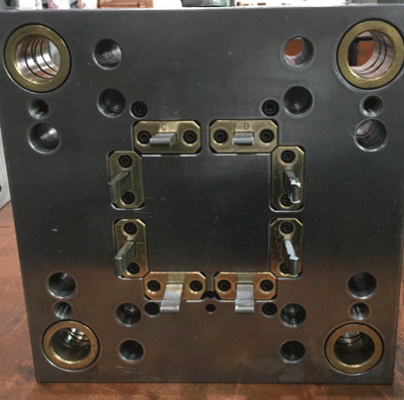
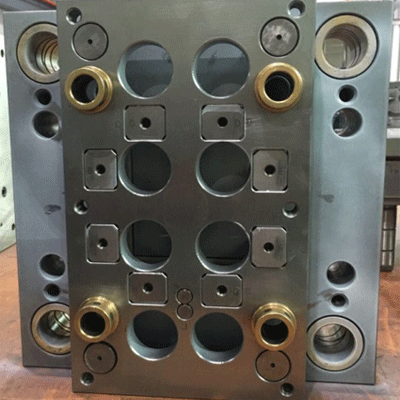
3. Mold Making: During the mold making phase, we employ state-of-the-art machinery operated by skilled technicians. This phase is critical as the precision of the mold affects the final product.

Our technicians ensure that every detail of the mold is crafted accurately, following the design specifications.

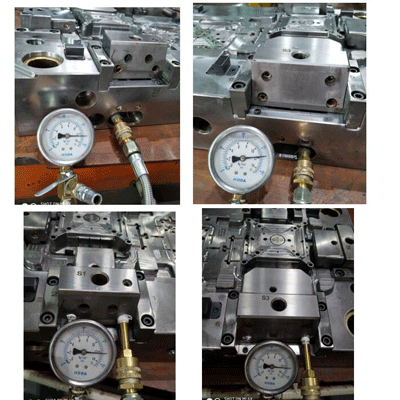
4. Inspections: After the mold is created, we conduct a series of inspections. This includes checking the hardness of the steel, evaluating surface finishes, and ensuring dimensional accuracy. Each inspection is documented, and any deviations from specifications are addressed immediately.

5. Plastic Molding: Once the mold passes all inspections, it is utilized in the plastic molding process. We monitor this process closely, ensuring that the material properties align with customer requirements.

The temperature, pressure, and timing of the molding are all critical factors that we control to guarantee the highest quality outputs.

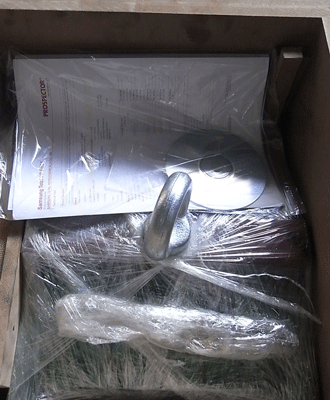
6. Final Inspection: Before shipment, each product undergoes a final inspection. This includes testing the product for functionality and cosmetic defects. We ensure that products are packed with care to prevent any damage during transportation.

In addition to the outlined processes, we continually seek to enhance our quality control measures through the implementation of new technologies. For example, integrating 3D printing into the prototyping phase allows us to create rapid prototypes that can be tested for fit and functionality before the actual mold making begins.

This not only saves time but also ensures that any potential issues are identified and rectified early, significantly reducing the likelihood of costly errors down the line.

Furthermore, we place a strong emphasis on training our staff in the latest manufacturing techniques and quality control methodologies. Regular workshops and training sessions ensure that our employees are not only skilled but also aware of industry standards and best practices.

This commitment to education empowers our team to take ownership of their work, leading to higher quality outputs.

Consider the impact of environment on quality control. Maintaining optimal working conditions is crucial. For instance, temperature and humidity control in the manufacturing area can prevent material degradation and ensure consistent product quality.

We invest in advanced climate control systems to guarantee that our production environment meets the stringent requirements of mold making.


This comprehensive approach to quality control in mold making not only enhances our reputation but also ensures that our products meet the diverse needs of our clients.

By integrating advanced technology, continuous training, and a focus on sustainability, we are committed to delivering exceptional quality in every aspect of our operations.

Key Techniques in Mold Making Quality Control

Additionally, utilizing statistical process control (SPC) allows us to monitor and control the manufacturing process through data collection and analysis. By plotting data points in real time, we can identify variations that may lead to defects.

This enables us to make immediate adjustments to our processes. This level of oversight is essential for maintaining the high standards we set in mold making quality control.

Moreover, collaboration with suppliers is critical. We conduct thorough evaluations of our suppliers to ensure they meet our quality standards.

Regular audits and performance reviews help us to maintain a reliable supply chain, which is vital for consistent quality in our mold making processes.

Future Trends in Mold Making Quality Control

Looking ahead, we anticipate that advancements in automation will further transform quality control in mold making. As robots and automated systems become more sophisticated, we predict that they will play a larger role in the inspection processes.

This reduces human error and increases efficiency. This transition not only enhances quality but also allows our skilled workers to focus on more complex problem-solving tasks.

Additionally, the rise of sustainable practices in manufacturing means that quality control measures must also adapt. We are actively exploring eco-friendly materials and processes.

This ensures that our quality control protocols account for environmental impact without compromising on the quality of our molds. As we move forward, balancing efficiency with sustainability will be a key focus in our quality control strategy.

Finally, customer feedback is invaluable in our continuous improvement efforts. We encourage our clients to provide insights regarding their experiences with our products.

Analyzing this feedback helps us identify areas for improvement and implement changes that enhance our quality control processes. Building strong relationships with our customers allows us to tailor our services to meet their evolving needs in mold making.

As technology evolves, so do the methods and practices surrounding quality control in mold making. The integration of artificial intelligence and machine learning into manufacturing processes allows for predictive analytics that can foresee potential quality issues before they arise.

For instance, using data from previous mold inspections, machine learning algorithms can identify patterns that indicate when a component might fail to meet quality standards. This proactive approach significantly reduces waste and increases efficiency, ensuring that companies can deliver high-quality products consistently.

Scroll to Top