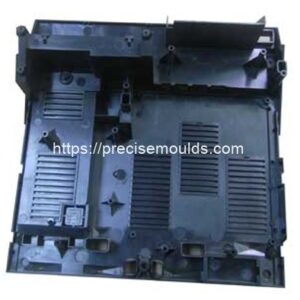
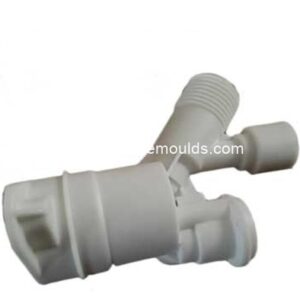
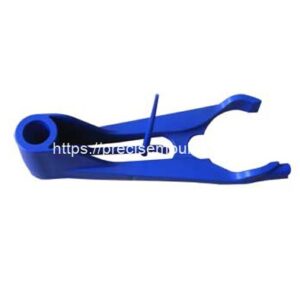
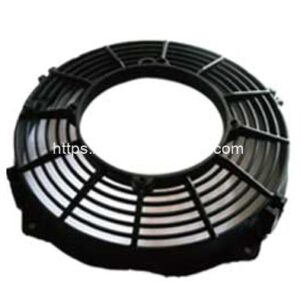
Nylon injection molding automotive part
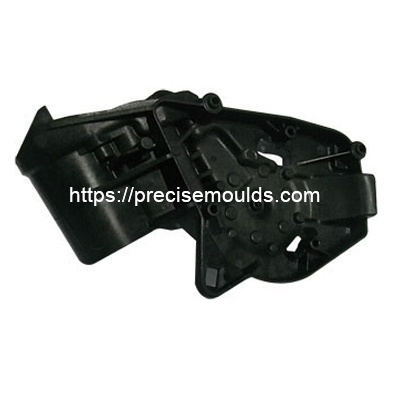
| Part material: | 30% GF filled PA66 |
|---|---|
| Mold manufacturer: | China |
| Cavity/core steel: | AISI H13 |
| Runner system: | Cold runner |
| Cavity No: | 2 cavities |
| Customer type: | Auto injection molding company |
| Processing: | Custom plastic molding |
| Mold standard: | HASCO / Meusburger Standard |
Nylon injection molding for automotive parts is widely used in the automotive industry. This method allows for the production of complex shapes and high precision components, making it a preferred choice for manufacturers. For instance, components such as brackets, housings, and interior parts can be efficiently produced using this technique. The ability to create lightweight yet durable parts helps manufacturers improve fuel efficiency and overall vehicle performance. Additionally, the versatility of nylon as a material allows for various applications, from under-the-hood components to aesthetic interior fittings.
The process involves melting nylon pellets and injecting them into a mold under high pressure. This leads to faster production cycles and lower costs compared to traditional manufacturing methods. Furthermore, the precision of this process means that parts can be produced with tight tolerances, which is critical for the automotive industry. For example, using nylon injection molding, manufacturers can produce intricate designs that require detailed features without compromising on strength or durability. Overall, this method not only enhances production efficiency but also contributes to the longevity of the automotive parts produced.
When considering nylon injection molding, manufacturers must also take into account the various types of nylon materials available, such as Nylon 6 and Nylon 66, each offering distinct properties. Nylon 6, for example, is known for its excellent impact resistance and flexibility, making it suitable for parts subjected to dynamic loads. In contrast, Nylon 66 provides enhanced rigidity and thermal stability, which is advantageous for components exposed to higher temperatures. Understanding these material properties allows manufacturers to select the right type of nylon for specific applications, ensuring optimal performance in automotive parts.
Moreover, the integration of advanced technologies such as computer-aided design (CAD) and simulation software has significantly improved the nylon injection molding process. These tools enable engineers to create precise designs and predict how the materials will behave during the injection process. This predictive capability can help in identifying potential issues before production begins, reducing waste and saving time. The early detection of design flaws and material behavior allows for adjustments to be made in the design phase, which ultimately leads to higher quality automotive parts.
In addition, the environmental impact of nylon injection molding is a growing concern within the automotive industry. Manufacturers are increasingly looking for sustainable practices, including the use of recycled nylon materials and energy-efficient processes. By incorporating recycled nylon into the injection molding process, companies can significantly reduce their carbon footprint and promote sustainability. This shift towards eco-friendly practices not only benefits the environment but also appeals to consumers who prioritize sustainability in their purchasing decisions.
Furthermore, as electric vehicles (EVs) become more prevalent, the demand for lightweight and high-performance materials like nylon is expected to rise. Nylon injection molding can play a critical role in the production of components that contribute to the overall efficiency and performance of EVs. For instance, lightweight housings for battery packs or structural components can be made using nylon, enhancing the vehicle’s range and reducing energy consumption. The automotive industry’s transition to electric power presents new opportunities for nylon injection molding, positioning it as an essential technology in the future of automotive manufacturing.
Lastly, the future of nylon injection molding in the automotive sector looks promising, as ongoing advancements in material science and manufacturing technologies continue to emerge. Innovations such as 3D printing and hybrid manufacturing processes are being explored, which could complement traditional nylon injection molding methods. These developments have the potential to further enhance production capabilities, reduce lead times, and expand the range of applications for nylon components in automotive manufacturing. By staying abreast of these advancements, manufacturers can maintain a competitive edge in a rapidly evolving industry.