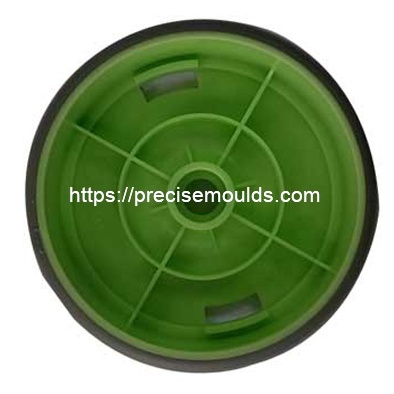
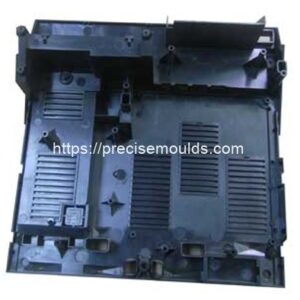
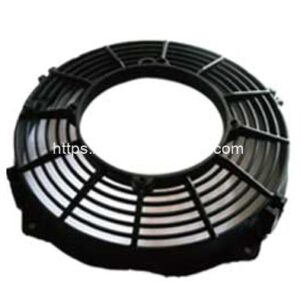
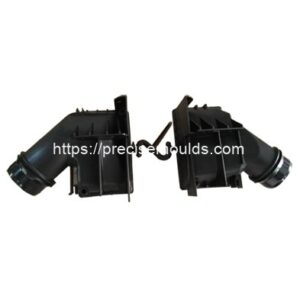
Overmolding parts food box is very popular in the market. Overmolding technology is widely used for the food box and other parts. Nodinson is a professional injection mold manufacturer for overmold parts for food boxes. This technology combines multiple materials in a single manufacturing process, allowing for enhanced product features such as improved grip, comfort, and ergonomics. For example, a common application is in the production of food storage containers, where a hard plastic base is overmolded with a softer material that provides a comfortable grip for handling. This not only improves usability but also adds aesthetic value to the product.
The benefits of overmolding in food boxes are numerous. First, it helps to create a seal that can prevent leakage, essential for food safety and storage. Additionally, overmolding can improve the durability of the product, making it resistant to wear and tear, which is crucial in a kitchen environment where items are frequently used and cleaned. The ability to combine different plastics can also lead to a more sustainable product, as manufacturers can choose materials that are recyclable and environmentally friendly.