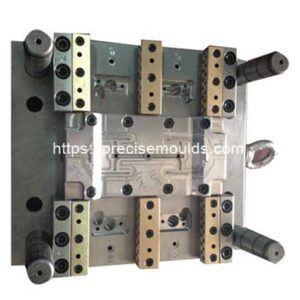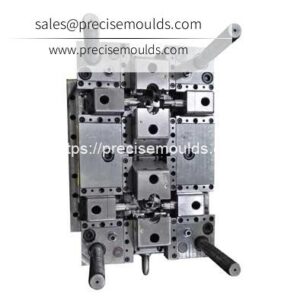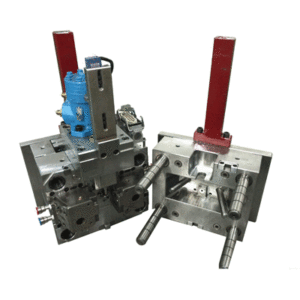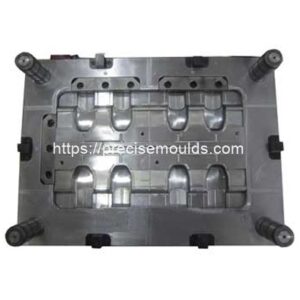

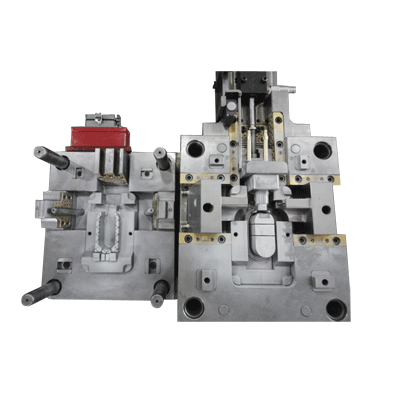
Mold making for high volumn injection molding is distinct from mold manufacturing for low volume injection molding. The processes involved in high volume injection molding demand exceptionally tight tolerances for mold components. These tolerances ensure that each part produced is consistent and fits perfectly with others, which is crucial for large-scale production. For instance, automotive parts, consumer electronics, and medical devices often require molds that can withstand high pressure and maintain their shape under stress. The precision involved in mold making for high volumn injection molding also reduces the likelihood of defects, thus minimizing waste and production costs. Moreover, advanced technologies such as computer-aided design (CAD) and computer numerical control (CNC) machining have revolutionized the mold-making process, allowing for rapid prototyping and higher accuracy in mold designs.
Furthermore, the choice of materials used in high volumn injection molding is critical. Common materials include thermoplastics such as polypropylene, polyethylene, and polystyrene, each offering unique properties that cater to different applications. For instance, polypropylene is favored for its chemical resistance and flexibility, making it suitable for a wide range of products from packaging to automotive components. On the other hand, polycarbonate is chosen for its toughness and clarity, often used in products that require transparency and impact resistance, like eyewear lenses and safety equipment. Understanding these material properties helps in selecting the right combination for specific products, which can greatly influence the performance and lifespan of the final items produced.
When considering materials for mold making for high volumn injection molding, it’s essential to understand their properties and applications to ensure optimal performance.
Lastly, understanding the intricacies of mold design and production can significantly impact the overall cost-effectiveness of high volumn injection molding projects. Engaging with experienced mold makers who can provide insights into the design optimization process can save time and resources. For example, strategically placing ejector pins and designing cooling channels can reduce cycle times and improve the efficiency of the molding process. Thus, investing in expert advice and quality mold making services pays dividends in the long run, facilitating smoother operations and better end-products.
Effective mold making for high volumn injection molding not only improves product quality but also streamlines the entire production process.
Nodinson Plastic Mould Co.,LTD specializes in producing molds for high volumn injection molding. With years of experience and a commitment to quality, they utilize state-of-the-art equipment and techniques to ensure that their molds meet the highest industry standards. Their team of skilled engineers and technicians work closely with clients to develop customized solutions that cater to specific needs. For example, they have successfully produced molds for a variety of industries, including the automotive sector, where they focus on durability and precision, and the consumer goods market, where aesthetics and functionality are equally important. Nodinson’s ability to deliver molds that enhance production efficiency while maintaining product integrity has established them as a leader in the field, making them a preferred partner for businesses looking to scale their manufacturing processes. Additionally, they offer comprehensive support services, from initial design consultation to post-production quality checks, ensuring a seamless experience for their clients.
Nodinson Plastic Mould Co.,LTD’s expertise in mold making for high volumn injection molding allows them to cater to a diverse range of industries, ensuring high performance and reliability.
In addition to their technical capabilities, Nodinson Plastic Mould Co.,LTD places a strong emphasis on sustainability. As the manufacturing industry faces increasing pressure to reduce its environmental footprint, they have implemented practices aimed at minimizing waste and energy consumption. This includes optimizing the mold design process to reduce material usage, as well as adopting recycling initiatives for scrap materials generated during production. By focusing on sustainable practices, they not only contribute to environmental protection but also help clients achieve their corporate social responsibility goals.
Moreover, their commitment to sustainable mold making for high volumn injection molding practices demonstrates their leadership in the industry.
Moreover, the future of mold making for high volumn injection molding is poised for innovation with the integration of smart technologies. Industry 4.0 concepts are being applied, allowing for real-time monitoring and data analysis throughout the molding process. Sensors embedded in machines can track performance metrics, predict maintenance needs, and optimize production schedules. This technological advancement not only enhances efficiency but also improves the quality of the molds produced. Companies engaged in mold making for high volumn injection molding who adopt these innovations will likely have a competitive edge, as they can respond more swiftly to market demands and maintain consistent product quality.