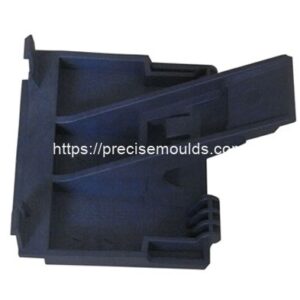
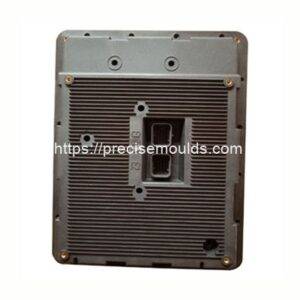
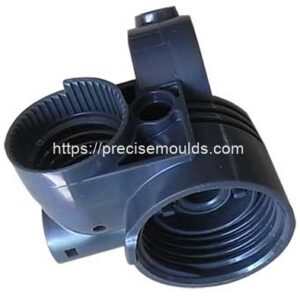
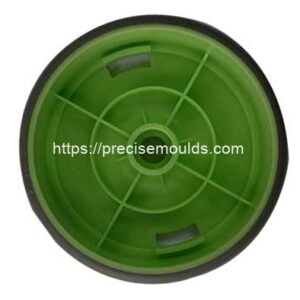
Plastic molding interior automotive part
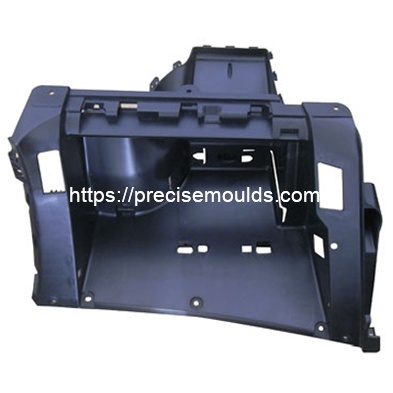
Product description: plastic molding interior automotive part
| Part material: | 15% GF filled PA66 |
|---|---|
| Mold manufacturer: | China |
| Cavity/core steel: | DIN 1.2311 |
| Runner system: | Hot runner system |
| Cavity No: | single cavities |
| Customer type: | Auto injection molding company |
| Processing: | Plastic molding |
| Mold standard: | HASCO |
Nodinson Plastic Mould Co.,LTD specialize in injection for plastic molding interior automotive parts, including custom Plastic molding interior automotive part solutions that feature various interlocks, holes, and ribs. The complexity of mold making for these parts exceeds that of standard molds. Our molds include multiple inserts that can be easily machined using CNC and EDM machining techniques, alongside polishing. With precision machinery, Nodinson ensures that inserts are manufactured to tight tolerances. This allows for seamless fitting without flush or mismatch. Recognizing that many users of these molds are not professional mold makers, we offer instructional videos for assembly and disassembly. Additionally, our after-sale technical team is available to provide support specifically for Plastic molding interior automotive part needs.
How do you prevent sink marks and warpage on large automotive interior panels?
Large thin-wall interior parts (such as door trims and glovebox lids) are prone to warpage and sink marks. We prevent these defect through optimized tooling and process engineering:
DFM & Moldflow Analysis: Conducting thorough Mold flow simulations to optimize gate locations, weld line positions, pressure distribution, and cooling uniformity before cutting steel.
Rib & Wall Thickness Design: Maintaining a rib-to-nominal wall thickness ratio of 40% to 60% to avoid sink marks on class-A cosmetic surfaces.
Balanced Cooling Channels: Utilizing conformal cooling or strategically placed core cooling channels to prevent uneven thermal contraction and post-molding warpage.
Gas-Assisted or Mucell Injection Molding: Injecting inert nitrogen gas or microcellular foam into thick sections to eliminate internal stress and sink marks while reducing part weight.
When producing Plastic molding interior automotive part, we implement strategies to prevent defects such as sink marks and warpage.
What quality control steps are critical during interior mold trials (T1)?
During T1 mold trials, automotive components undergo stringent validation:
Full CMM & 3D Scanning Inspection: Verifying 100% of critical dimensions against CAD geometry to confirm part tolerance compliance.
Gloss & Color Matching: Measuring surface gloss levels (using a gloss meter) to ensure consistency with OEM interior color/grain palettes.
Environmental & Thermal Cycling: Subjecting parts to high-humidity and high-temperature chamber tests to inspect for deformation, odor release, or material degradation.
During T1 mold trials, specific quality control steps are taken to ensure that Plastic molding interior automotive part components meet all necessary standards.